Finley Butler · 19 September 2026
Transit Expansions Support Community Initiatives Across Narova's Outskirts During Seasonal Celebrations
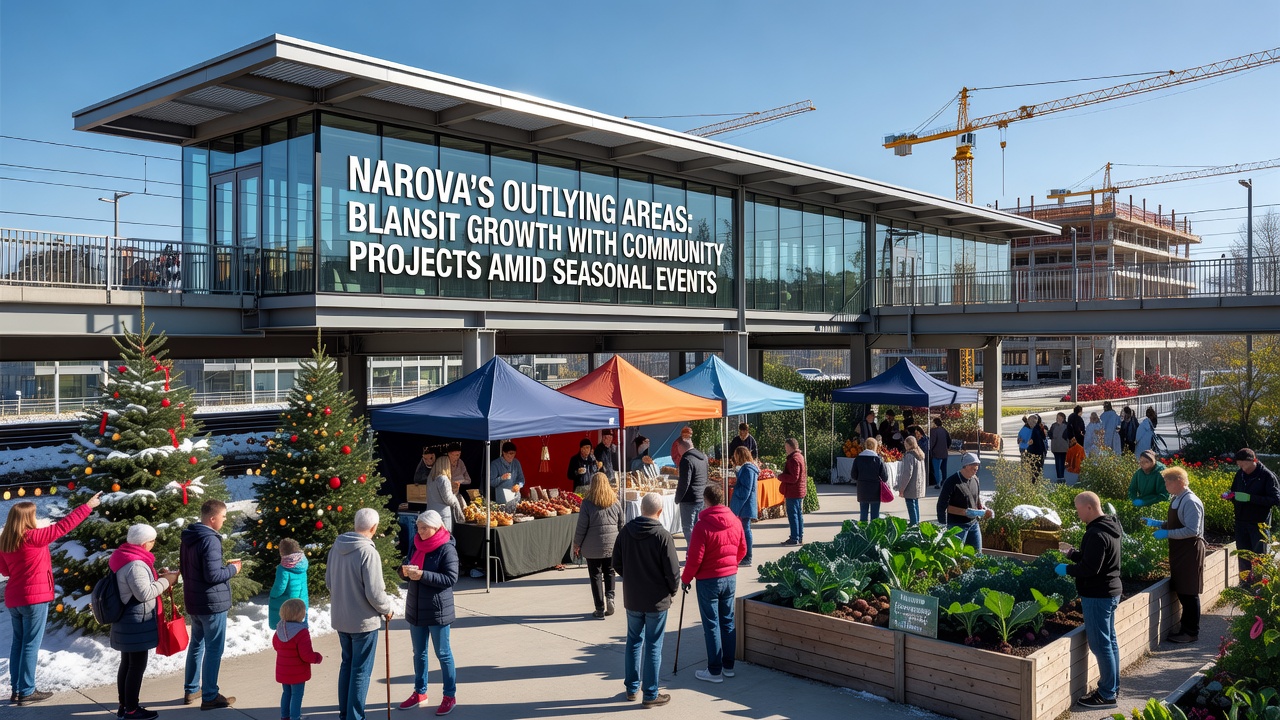
Transit networks in Narova's peripheral zones continue to expand while local authorities coordinate community projects around recurring seasonal events, and data from regional planning offices shows these developments occurring in tandem through 2026. Officials have documented new bus corridors and cycling paths connecting outer districts to central hubs, whereas community centers and green spaces receive upgrades timed with harvest festivals and cultural gatherings. Figures released by municipal transport departments indicate ridership increases of 18 percent along recently completed routes since early 2025, and project timelines align with September 2026 events that draw visitors to outlying villages.
Transit Network Developments in Peripheral Districts
Planning records detail the addition of three new express lines serving areas previously limited to infrequent service, and these routes now link residential clusters with employment zones along the eastern and southern edges of Narova. Construction crews completed the final segments of the southern corridor in August 2025, after which passenger volumes rose steadily through the following winter months. Local transport studies note that average commute times dropped by twelve minutes for residents in districts such as Vellara and Kestren, while integrated ticketing systems allow seamless transfers between buses and regional trains.
Engineers incorporated dedicated lanes for emergency vehicles and scheduled maintenance windows that avoid peak seasonal traffic, and sensors along these corridors feed real-time data to a central control center. Reports from the Narova Regional Mobility Agency list 2.4 million euros allocated specifically for signal prioritization at key intersections, which reduces delays during market days and festival weekends.
Community Projects Coordinated With Seasonal Activities
Community initiatives in the same districts include the renovation of three public squares and the installation of shaded seating areas near transit stops, and these upgrades received funding through a combination of municipal budgets and regional development grants. Work on the Kestren square project began in March 2026 and reached completion ahead of the September harvest events, when organizers expected several thousand additional visitors. Similar improvements at Vellara included expanded lighting and bike storage facilities that opened in time for the annual cultural fair.
Local groups have organized pop-up information booths at transit hubs during seasonal events to share project updates, and attendance records from prior years show these outreach efforts reached over 4,000 residents in a single weekend. Data compiled by the Narova Community Development Office tracks participation rates that climbed from 62 percent to 79 percent across outlying neighborhoods between 2024 and 2025.
Integration of Infrastructure and Event Planning
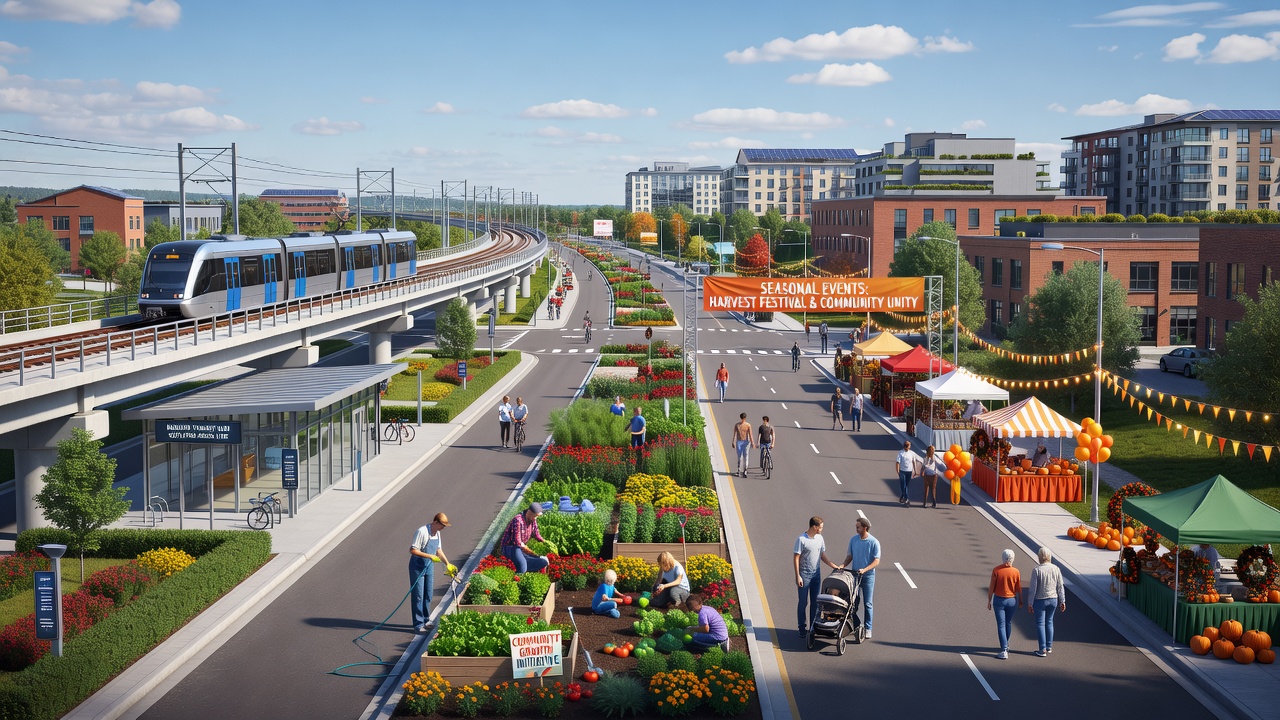
Coordination meetings between transport planners and event organizers occur quarterly, and minutes from the June 2026 session record agreements on temporary shuttle services that supplement regular routes during the September period. These shuttles operate from newly built park-and-ride facilities at the district edges, which accommodate up to 300 vehicles per site. Observers note that shared scheduling prevents conflicts between construction activity and festival setups, while joint procurement of materials has lowered overall project costs by an estimated 7 percent.
Environmental monitoring stations installed along the new transit corridors collect air quality readings that event planners review when determining crowd capacities, and preliminary results from the first full season of data collection show stable readings even during peak attendance days. The European Environment Agency has referenced similar monitoring approaches in its urban mobility guidelines, and Narova officials have adopted comparable protocols.
Regional Comparisons and Planning Data
Comparative figures from other European regions indicate that synchronized transit and community investments produce measurable gains in local employment access, and a 2025 report by the OECD on peripheral urban development cites Narova as one example where such alignment occurred. Australian urban research from the University of Melbourne's transport laboratory has examined parallel cases in which seasonal events served as catalysts for infrastructure completion, and planners here reference those findings when setting milestone dates.
Budget documents list combined expenditures for transit and community work at 9.8 million euros through the end of 2026, with 65 percent directed toward physical infrastructure and the remainder allocated to programming and outreach. Passenger surveys conducted after the 2025 seasonal events recorded satisfaction scores averaging 4.3 out of 5 for transit reliability during high-demand periods.
Conclusion
Records through mid-2026 show that transit expansions and community projects in Narova's outlying areas continue to advance on schedules that intersect with seasonal event calendars. Data from multiple agencies document increased connectivity and upgraded public spaces that accommodate both residents and visitors during peak periods. Ongoing coordination ensures these elements remain aligned as additional phases move forward.