Sage Schröder · 17 October 2026
Narova's Seasonal Celebrations Attract Visitors and Spur Service Expansions for Locals
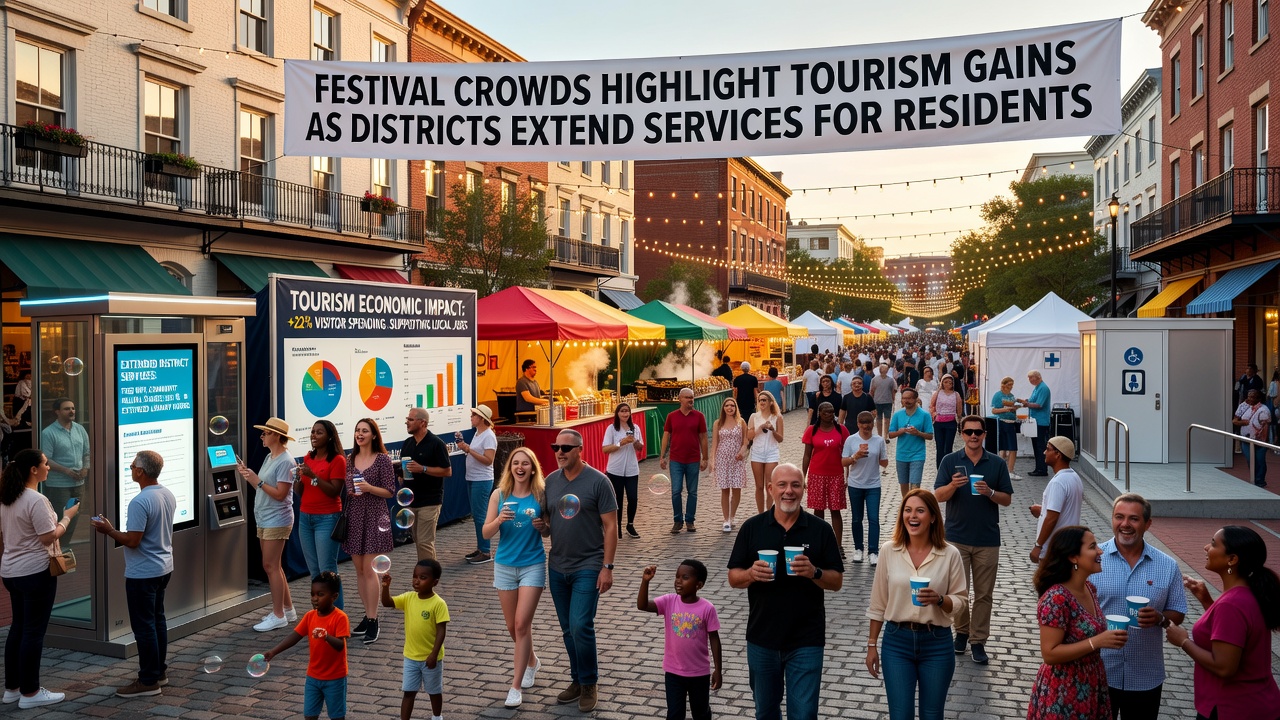
October 2026 brought thousands of visitors to Narova for a series of seasonal festivals that combined traditional harvest events with modern cultural programming, and local districts responded by extending operating hours for public transport, waste collection, and emergency services to accommodate both tourists and residents. Data from regional tourism reports show visitor numbers rose 18 percent compared with the previous year, which generated measurable gains in local business revenue while prompting coordinated adjustments across multiple districts.
Festival Programming Draws Diverse Crowds
Events ran from early October through the final weekend of the month, and organizers scheduled daytime markets alongside evening concerts and lantern processions that attracted families, international travelers, and regional day-trippers. Districts located near the central square reported the highest foot traffic, yet outer neighborhoods also saw spillover effects as visitors explored extended walking routes and pop-up food stalls. According to figures released by the UN World Tourism Organization, similar autumn festivals across comparable European destinations experienced parallel growth patterns during the same period, which underscores a broader post-pandemic recovery in cultural tourism.
Transportation authorities added late-night bus routes and increased train frequencies on weekends, while sanitation teams operated on split shifts to maintain cleanliness around high-traffic zones. Emergency medical posts received additional staffing, and local police coordinated with festival security to manage pedestrian flows at key intersections. These measures addressed the immediate demands of larger crowds without disrupting routine services for residents who continued commuting to work and accessing daily amenities.
District-Level Responses to Increased Demand
Each district implemented tailored extensions based on attendance projections shared in advance by event planners. Central Narova extended library and community center hours to provide rest areas and charging stations, whereas peripheral districts focused on road maintenance and additional parking enforcement near popular trailheads. Observers note that these adjustments followed patterns documented in earlier seasonal events, yet the scale in 2026 required more extensive inter-district coordination than previous years.
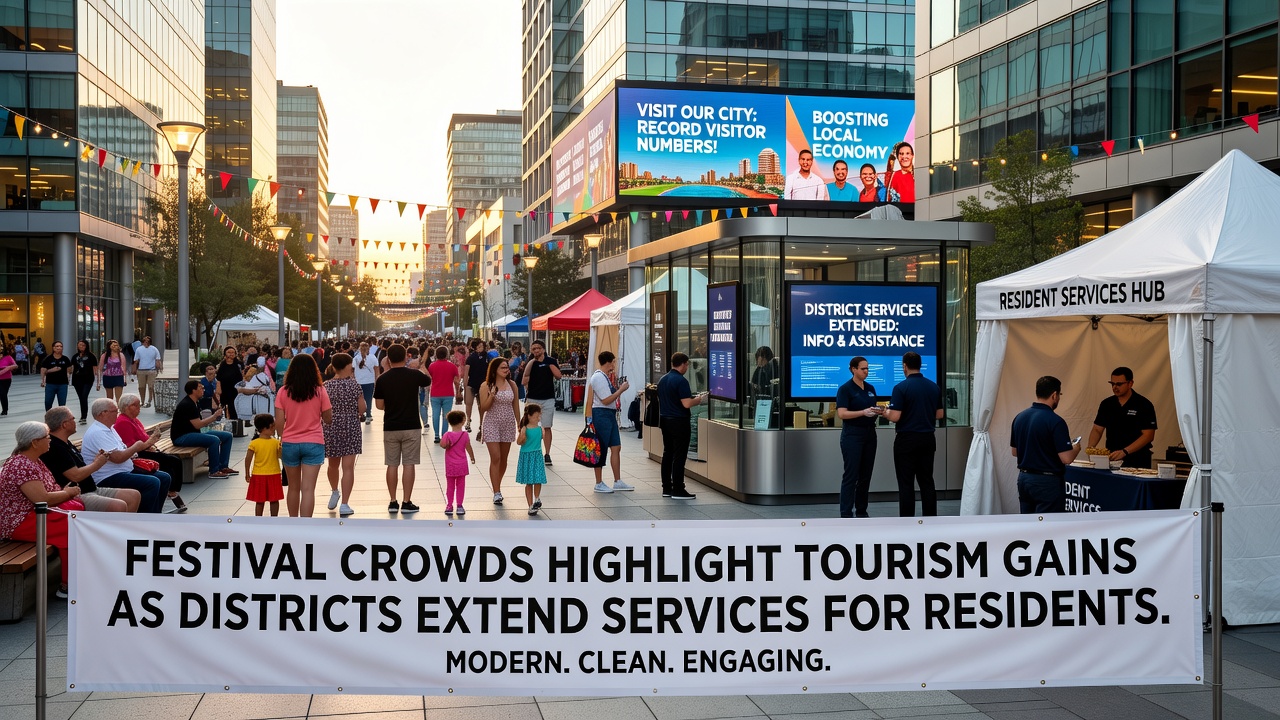
Retail and hospitality sectors reported higher occupancy rates, and tourism offices recorded a 22 percent increase in inquiries about overnight stays compared with October 2025. Districts used real-time visitor data to adjust service schedules daily, which allowed them to redirect resources efficiently while minimizing overtime costs. Researchers from the University of Melbourne's tourism studies program have examined comparable municipal responses in Australian regional centers, and their findings indicate that proactive service extensions correlate with sustained positive visitor reviews and repeat attendance in subsequent seasons.
Economic and Community Impacts Observed
Local businesses recorded stronger sales in food, crafts, and accommodation, and district budgets allocated supplementary funds to cover expanded operations through the end of the month. Revenue from visitor spending offset a portion of those costs, and preliminary tallies suggest a net positive balance for several districts. Community organizations hosted parallel workshops on local history and sustainable practices that engaged both residents and tourists, which created opportunities for cultural exchange without straining existing facilities.
Traffic management plans incorporated temporary one-way systems and designated drop-off zones, and these changes reduced congestion around festival venues while preserving access for emergency vehicles. Districts shared staffing resources across boundaries, which allowed smaller neighborhoods to benefit from the larger operational capacity of central teams during peak periods. Such collaboration reflected established protocols refined after earlier events and ensured consistent service quality throughout the municipality.
Conclusion
The October 2026 festivals demonstrated how coordinated district responses can support tourism growth while maintaining essential services for residents, and ongoing data collection will inform planning for future seasons. Districts continue to monitor visitor patterns and service utilization rates, which provides a factual basis for refining resource allocation in subsequent years.