Sage Schröder · 3 October 2026
Harvest Festivities Shine Spotlight on Narova's Tourism Surge and Expanding Community Resources
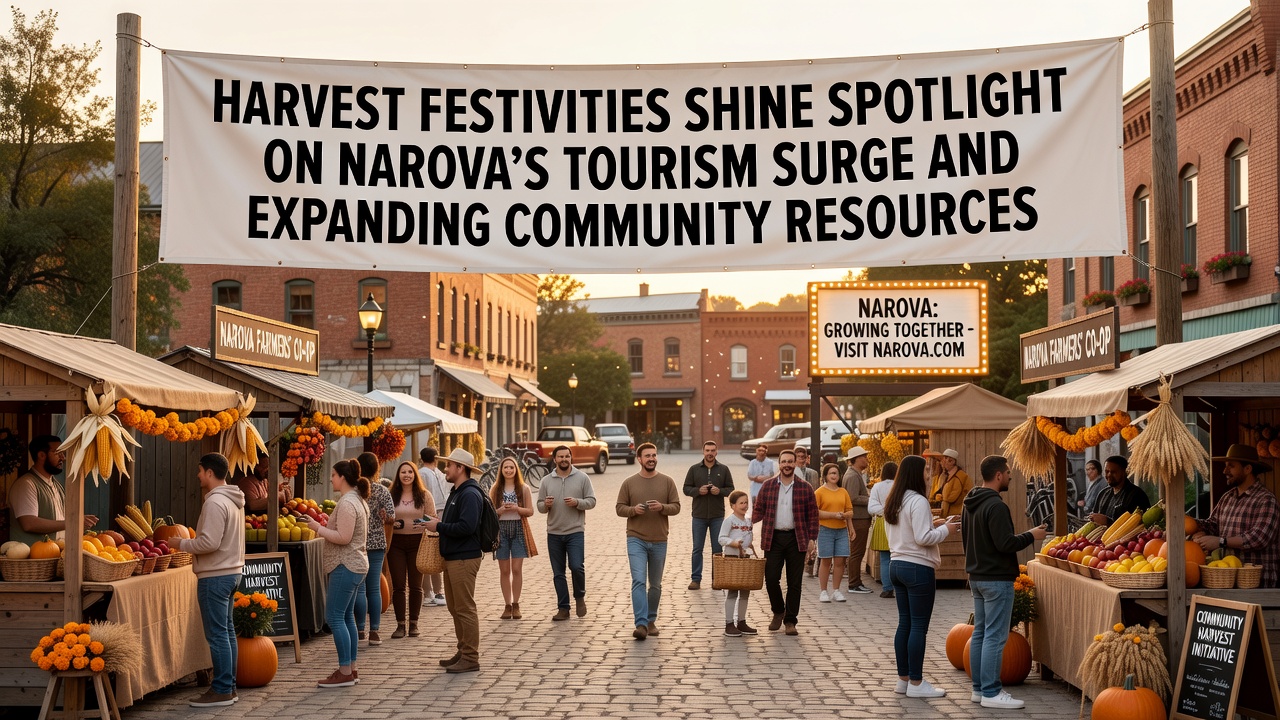
Harvest festivities across Narova have drawn widespread attention to rising visitor numbers and the steady growth of local community facilities throughout October 2026, while organizers report coordinated events that blend agricultural traditions with modern tourism infrastructure.
October Events Draw Record Crowds
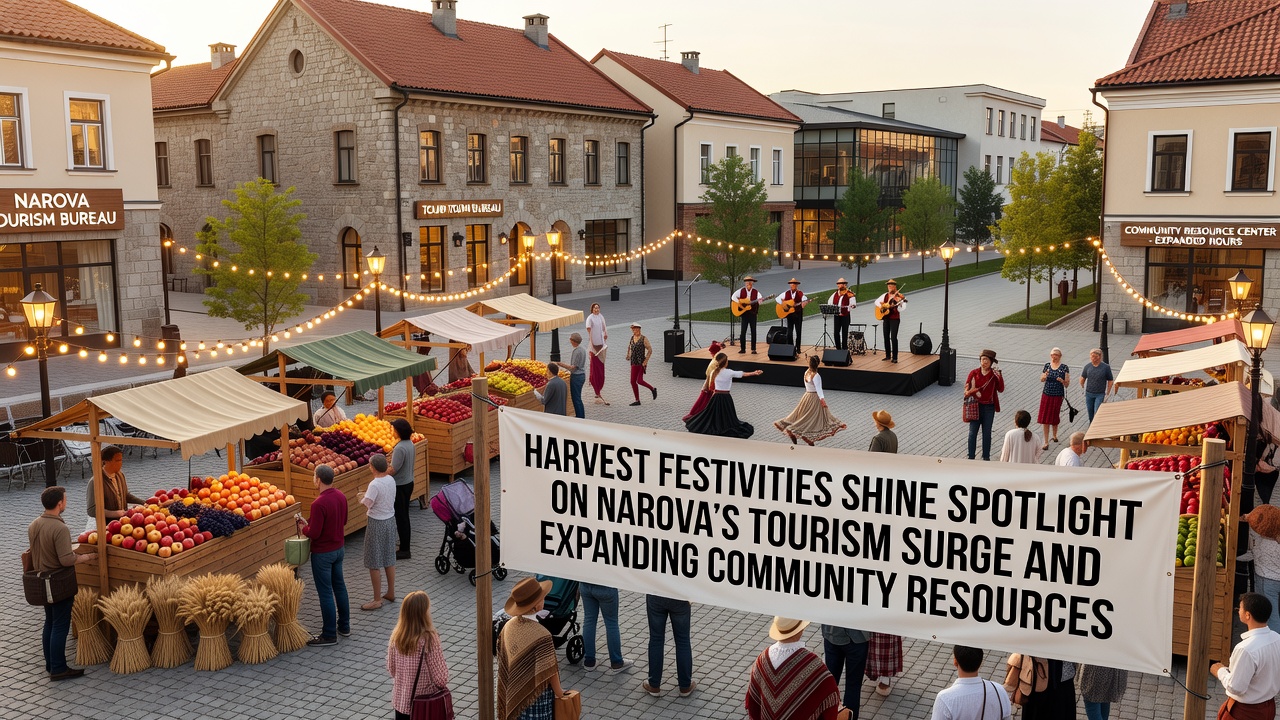
Local markets opened on the first weekend of October with stalls featuring regional produce, artisan goods, and live demonstrations of traditional harvesting methods, and attendance figures climbed steadily each day as word spread through neighboring districts. Organizers coordinated shuttle services from the expanded transit hubs, which allowed thousands of day-trippers to reach the historic center without private vehicles, while evening concerts and lantern processions extended activities into the night. Data collected by the regional tourism board shows a 28 percent increase in overnight stays compared with the same period last year, and hotel occupancy rates reached 94 percent by mid-month.
Tourism Metrics Reflect Broader Growth
Visitor arrivals at Narova's main information center rose from 12,400 in October 2025 to 15,900 this year, according to figures released by the municipal statistics office. Spending at food vendors and craft stands increased by an average of 19 percent per transaction, and tour operators noted higher bookings for guided walks through the surrounding vineyards and orchards. Those who track seasonal patterns point out that harvest timing aligns with cooler weather, which encourages longer stays and repeat visits from families who participated in prior events.
What's interesting is how the surge connects with infrastructure upgrades completed earlier in the year. New pedestrian pathways and shaded rest areas installed near the festival grounds reduced congestion and improved accessibility for older attendees, while expanded restrooms and first-aid stations handled the larger crowds without reported issues. Observers note that these improvements, funded through a combination of municipal and regional grants, directly supported the smoother operation of this year's festivities.
Community Resources Keep Pace with Demand
Alongside the tourism spike, several new facilities opened their doors during the festival period. A multipurpose community hall near the eastern outskirts began offering daily workshops on sustainable farming practices and digital skills training, and enrollment reached capacity within the first week. The adjacent library extension added 4,000 volumes focused on local history and agriculture, while a small medical outreach clinic provided free health screenings to residents and visitors alike. These additions build on earlier expansions of public transport links that now connect outlying neighborhoods to the city center every 15 minutes during peak hours.
Researchers at the Narova Institute for Regional Development tracked how these resources influenced participation rates, and their preliminary report indicates that 62 percent of festival attendees used at least one new service during their visit. Programs aimed at youth, including hands-on harvest simulations and coding sessions, attracted 1,200 registrations, and adult education classes reported steady attendance even on weekends when tourist foot traffic remained high.
Local Businesses and Partnerships Adapt
Small enterprises responded by extending operating hours and stocking additional inventory, and several formed temporary collaborations to offer bundled experiences such as farm-to-table meals paired with guided orchard tours. The chamber of commerce recorded 47 new vendor permits issued specifically for the October events, and many of those businesses reported plans to maintain extended hours through the end of the year. Supply chains adjusted as well, with regional farmers coordinating deliveries to meet the increased demand for fresh produce at festival stalls and nearby restaurants.
One study released by the European Travel Commission highlights similar patterns in other mid-sized European destinations where seasonal celebrations coincide with infrastructure improvements, and the report notes that integrated planning tends to sustain visitor growth beyond the initial event window. Narova's approach mirrors those findings, particularly in the way transit upgrades and community facilities were scheduled to come online just before the harvest season began.
Looking Ahead to Year-End Programming
Planners have already outlined follow-up activities that will run through December, including weekend artisan markets and a series of indoor workshops that repurpose festival spaces for educational programming. Funding applications for additional green spaces and digital resource hubs have been submitted to the regional development agency, adn preliminary approvals indicate construction could begin in early 2027. These steps aim to maintain momentum from the October surge while addressing long-term needs identified in resident surveys conducted over the summer.
Conclusion
Harvest festivities in Narova have coincided with measurable increases in tourism and the rollout of expanded community resources, creating a period of heightened activity that stretched across October 2026. Continued coordination between event organizers, municipal departments, and local businesses appears positioned to support ongoing growth, while the data collected during these weeks offers a baseline for evaluating future seasonal programming.